Raised Bed Frames, Retaining Walls & Borders: The Importance of Garden Structure

.jpg)
News
Raised Bed Frames, Retaining Walls & Borders: The Importance of Garden Structure
Raised Bed Frames, Retaining Walls & Borders: The Importance of Garden Structure
Difference between a raised bed, retaining wall, and border edge
In order to choose the appropriate product, it is important to distinguish between the three different concepts and understand why each of them requires a different approach and a unique material.
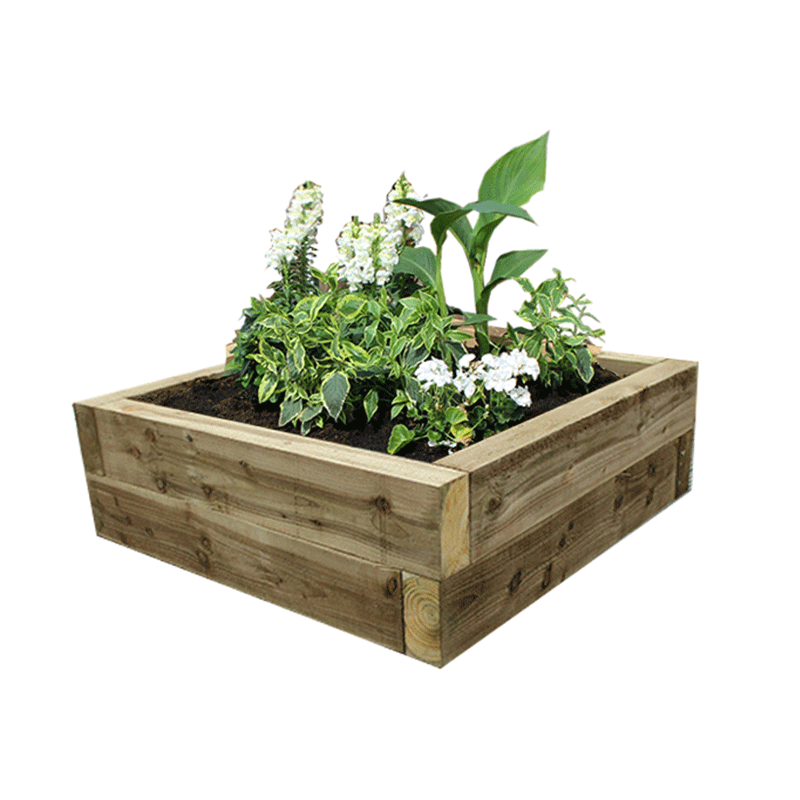
While raised beds are built on almost level terrain, they are supposed to contain a certain volume of soil raised higher than other parts of the garden. They are normally lighter, shorter, and require no substantial resistance to pressure.
A retaining wall, on the other hand, will act as a functional structure that holds back a soil slope and ensures that the land remains stable. Border edging may seem like a decorative solution, but, in reality, its main goal is to separate your lawns from planting areas and help to define the outline of various sections within your garden.
Why the choice of timber is important
Depending on the project, different wood will perform better and be able to withstand the stress applied to the structure.
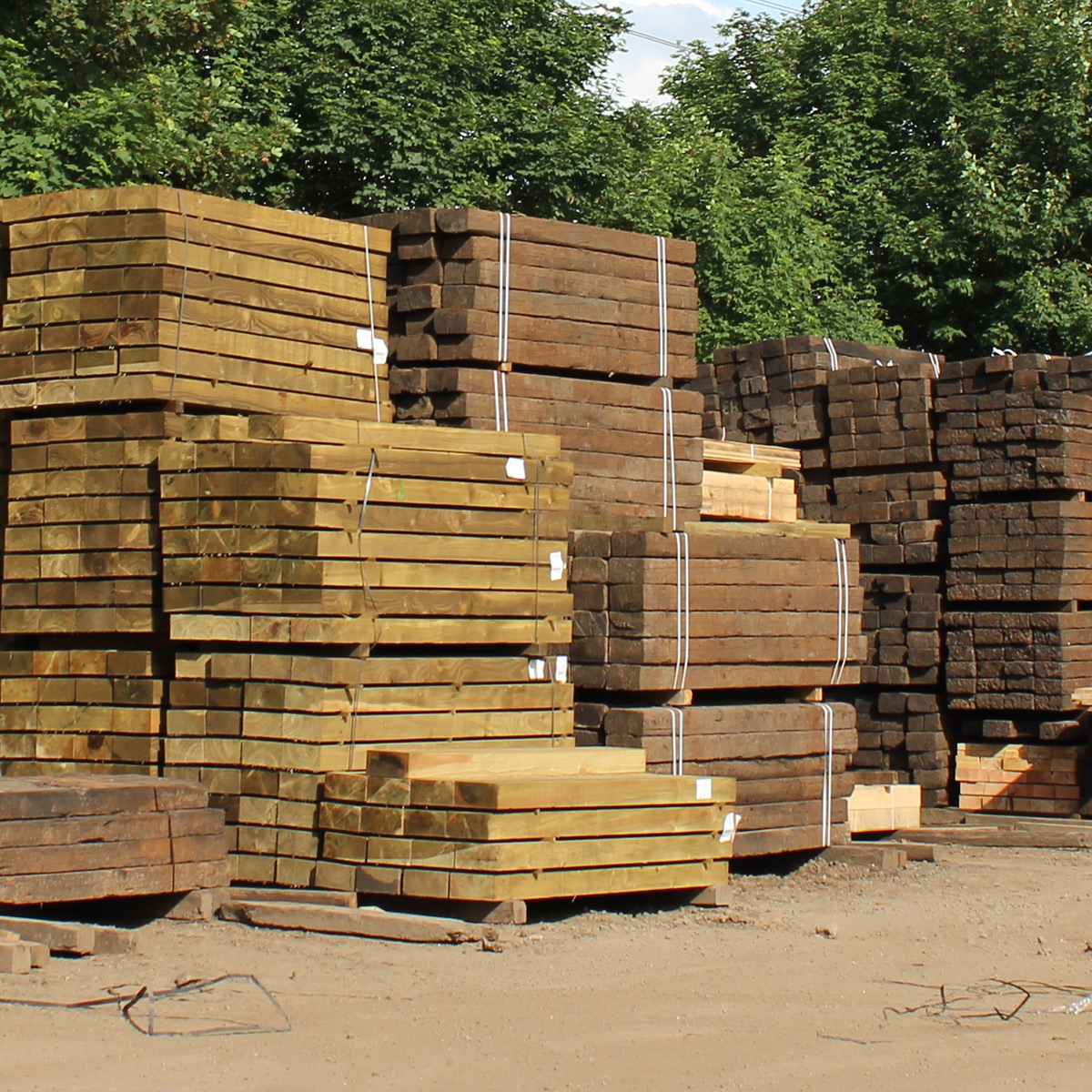
For example, new garden sleepers or raised bed kits will be sufficient for planter boxes, decorative borders, or garden edging. A full-size railway sleeper, on the other hand, will provide better performance in terms of structural integrity.
Railway sleepers for retaining walls and steps
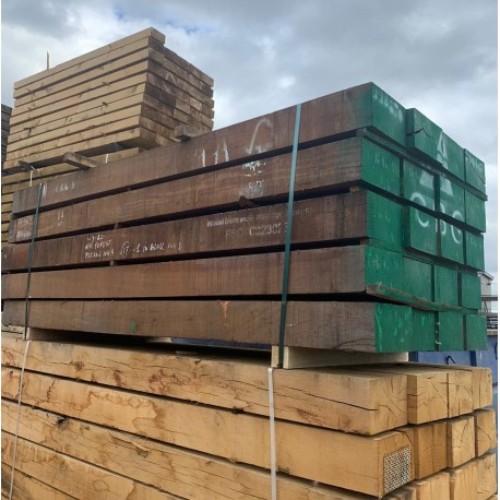
Whenever you need to construct something more elaborate than a couple of garden sleepers stacked on top of each other, full-size railway sleepers are the best solution. Their weight alone provides great resistance to lateral movement, and the choice between new and reclaimed will influence not only the price, but also the lifespan and visual appearance of the finished structure.
For instance, when constructing retaining walls or steps, many gardeners opt for untreated new oak sleepers due to their high aesthetic appeal and excellent natural weathering properties. While new treated softwood sleepers can serve as a great budget alternative, especially in less conspicuous locations, reclaimed railway sleepers offer unmatched value thanks to the decades of wear they have been subjected to.
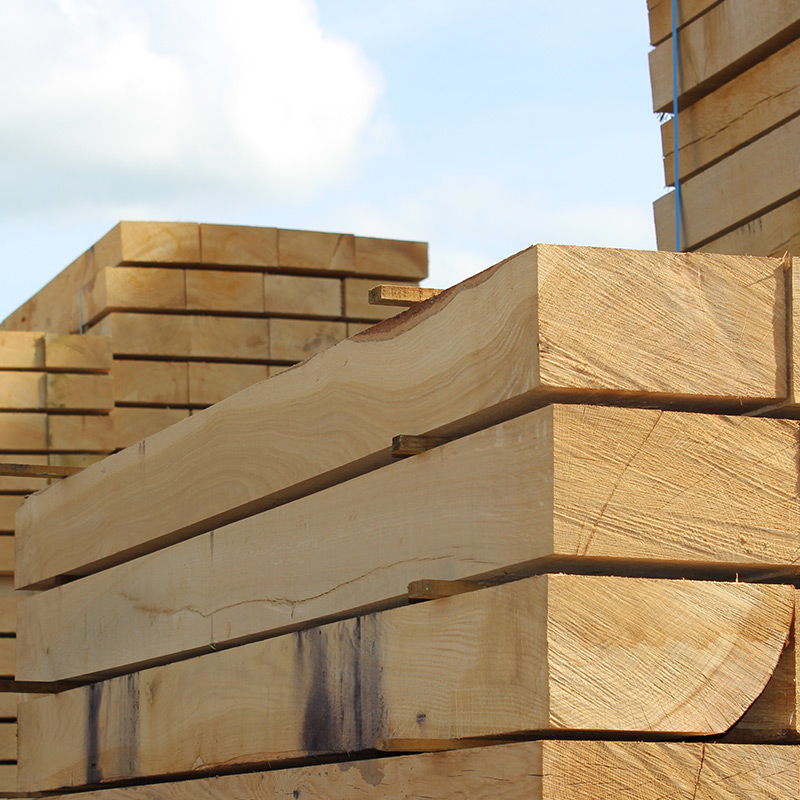
Among all other timber types available, oak sleepers are the most popular choice among DIY enthusiasts for creating a retaining wall – they look solid, authentic, and fit any garden effortlessly.
Raised beds, kits, and individual sleepers
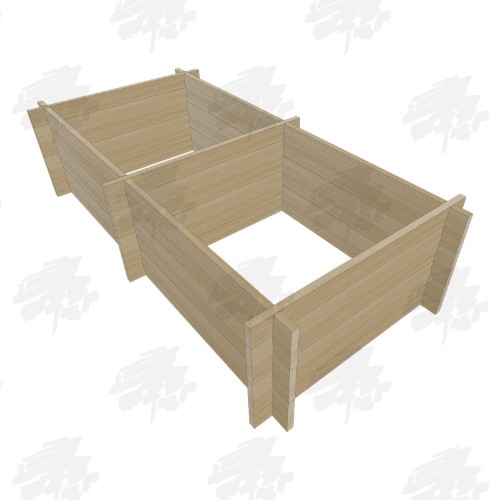
If you are going to create a small raised vegetable bed, herb garden, or simply build a planter box, you might be interested in UK Sleepers' raised bed kits that will enable you to put your structures together quickly and efficiently without using any special tools.
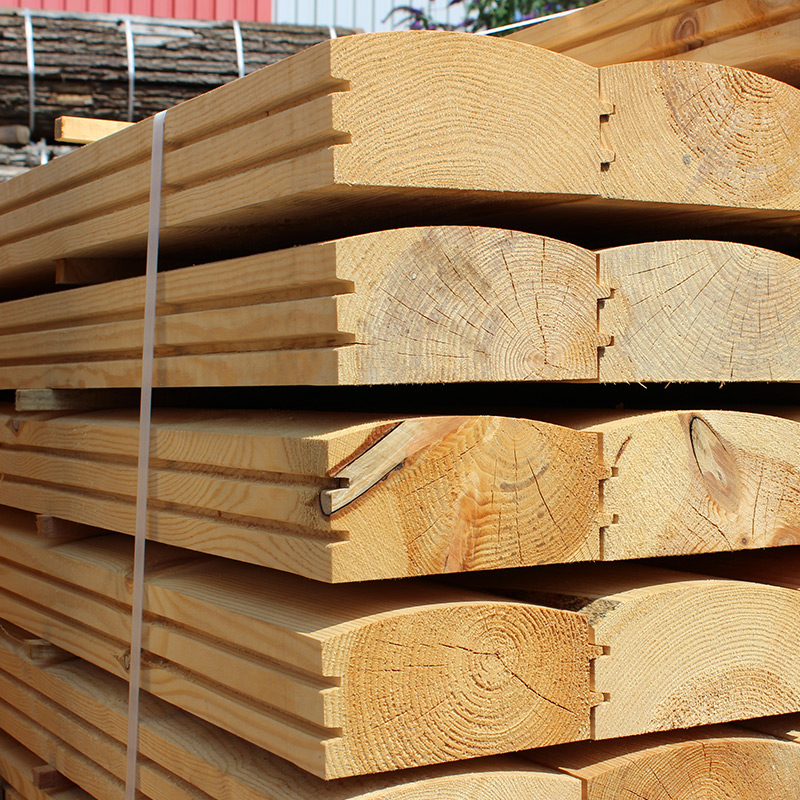
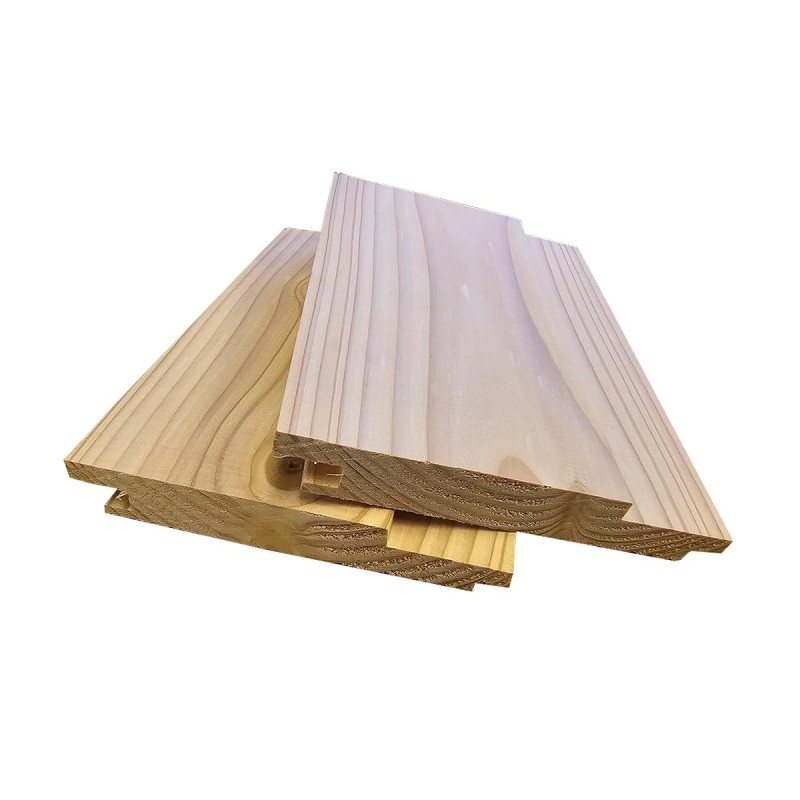
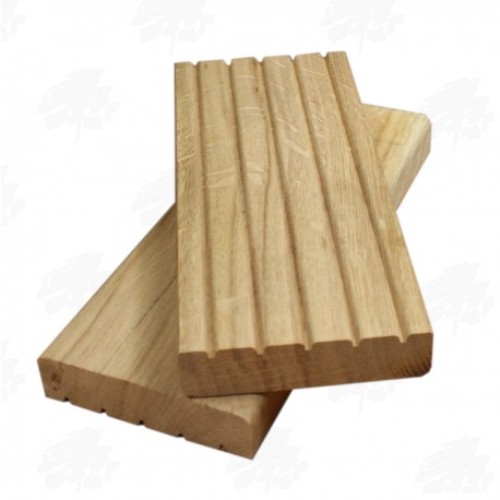
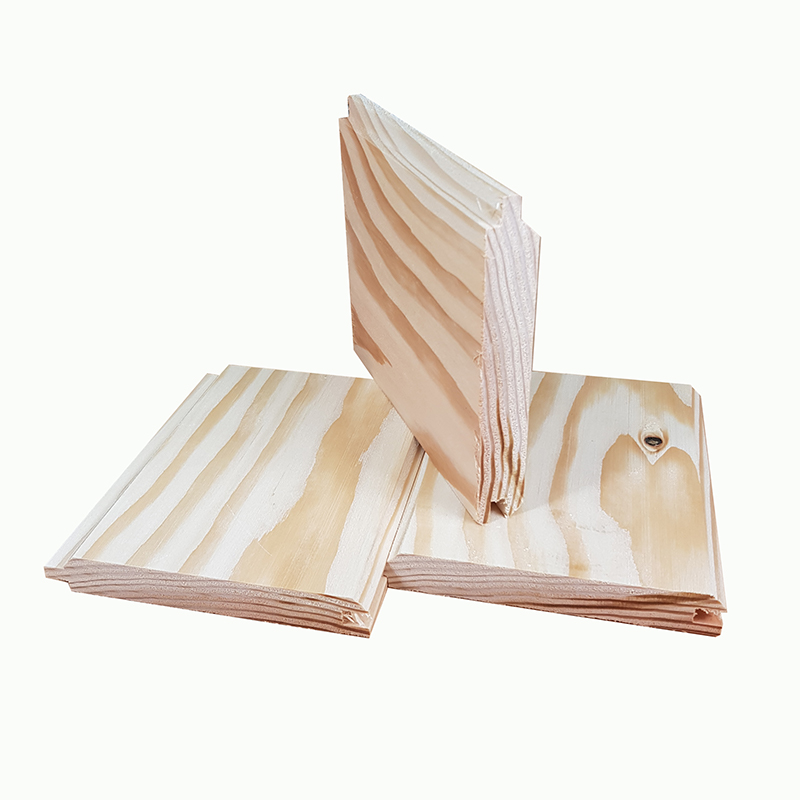
Alternatively, individual garden sleepers give you much greater freedom in designing your beds since the dimensions of sleepers can vary widely. The softwood sleepers available in UK Sleepers' assortment come with a splinter-proof groove, which is a great advantage whenever you want to construct curved structures.
If the main goal of your project is gardening, you should pay attention to the type of preservative used to treat the wood. Hardwood sleepers, such as those made of oak, Douglas fir, or larch, can withstand the wear and tear of the garden environment better than softwood ones and do not require any treatment.
Bordered garden vs. levelled garden
When looking at a levelled garden, you won't get the feeling of completeness as long as you cannot clearly see the border that distinguishes planting areas from lawns and flowerbeds. Using timber edging will help to highlight the outline of these areas while providing extra protection against weed infestation and helping you to keep the grass and plants in place.
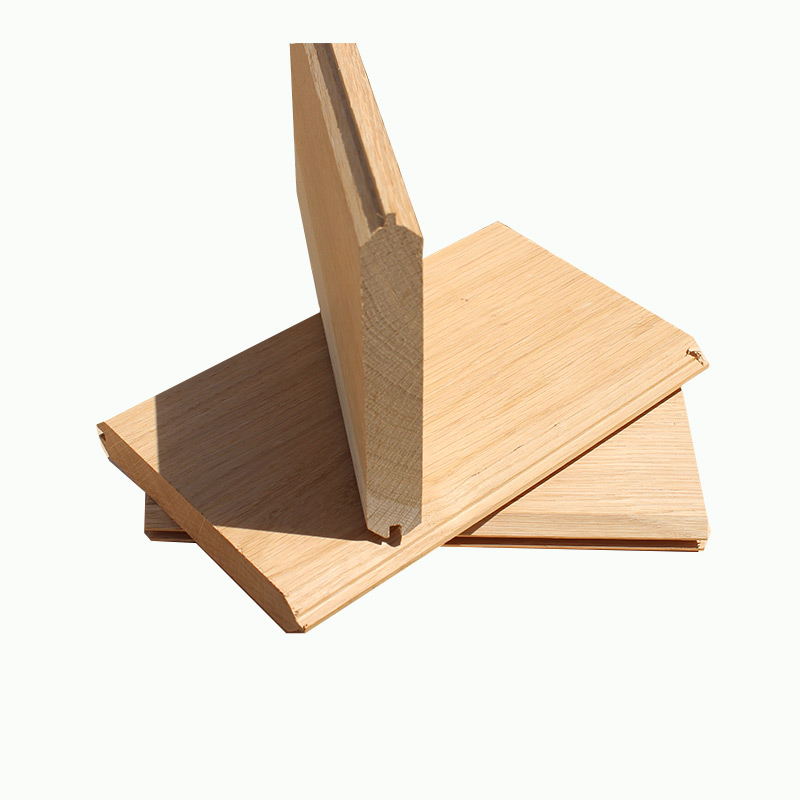
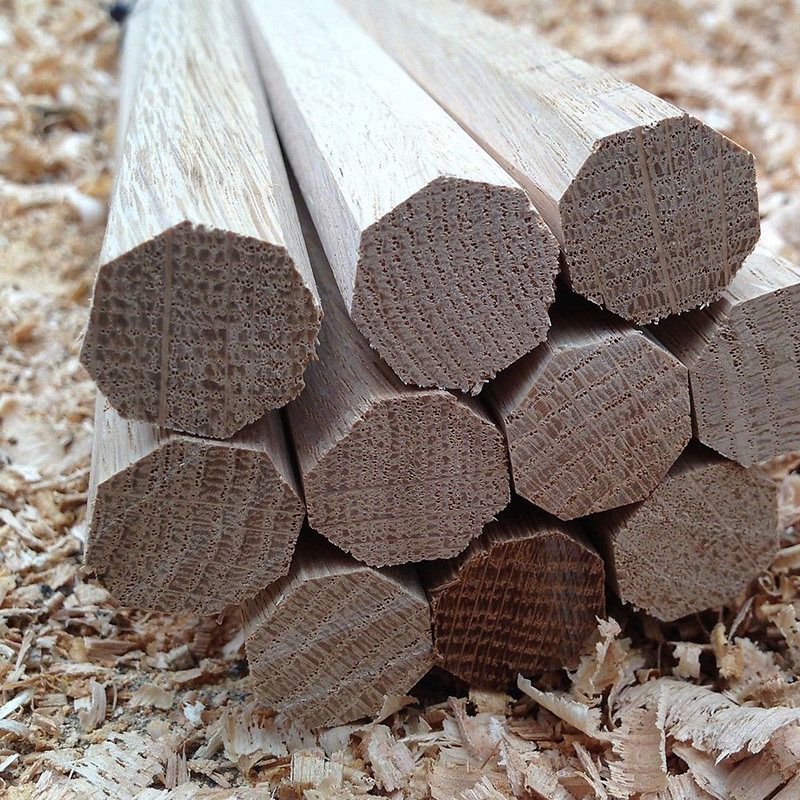
Using a couple of mini garden sleepers or several wooden boards, you can create an impressive border that complements the entire design of your garden. In the case of straight lines and a formal garden, planed and bevelled oak sleepers will be your best bet. Otherwise, go for rustic oak sleepers that are naturally variable and complement wild planting schemes very effectively.
Important details before you start
Here are some useful tips that will help you to make sure that the timber you purchase will meet your expectations and last long enough in your garden:
Ground contact - Whenever you use sleepers that touch the ground, you should pay attention to the type of wood you chose. While untreated hardwood sleepers, such as oak and larch, are always a good choice, you can also use treated softwood.
Weight and lifting capabilities - When dealing with full-size railway sleepers, it is crucial to remember that they weigh about 80kg each. Be sure that the ground will sustain such a weight and that you will need additional equipment to move the sleepers and install them securely.
Drainage - Raised bed or retaining wall must always have ventilation holes, or they won't perform effectively. You might also need to provide additional means to ensure proper drainage.
Securing timber - When building a retaining wall, make sure to anchor the sleepers properly and use metal fixings if necessary.
Where to start?
Depending on the complexity of your project, you can opt for either raised bed kits and garden sleepers or full-size railway sleepers. However, if you want your garden to look professional, it would be better to start by defining the boundaries between various parts of it first.
Feel free to browse the wide assortment of railway sleepers, raised beds kits, and garden timber available at UK Sleepers or call us at 01536 267107 for advice prior to your purchase.
or send us an email at
sales@uksleepers.co.uk.


