The True Cost of Cheap Timber – And How to Avoid it

.jpg)
News
The True Cost of Cheap Timber – And How to Avoid it
The True Cost of Cheap Timber – And How to Avoid it
Cheap timber is not always bad timber, however. The difference between the reasonable price and false hope is bigger than it might seem, and there are things that you need to check before making your purchase.
Proper moisture content is crucial
When timber hasn't been adequately dried before it is sold, it is going to behave in a strange way after it has been installed in the environment and started losing moisture. This leads to warping, shrinking and loosening of fixings that were tight during installation.
It might be disappointing but wet timber often looks perfectly fine before it gets installed. It will show any problems only after it has been installed and started losing moisture. When timber is going to be used structurally or when dimensional stability is important, it is crucial to find out what moisture content the timber you want to purchase has.
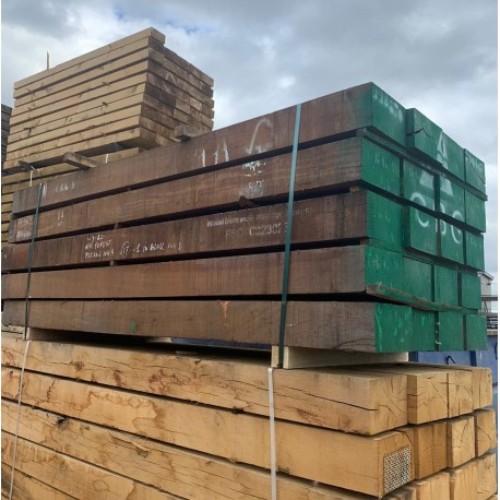
Kiln-dried timber is more expensive for good reasons. Its moisture content is stable and controllable. Timber that has been air-dried can be equally good but that process often needs some time to be performed and sometimes this is not taken into account.
Species is much more important than its type
All the soft woods are not created equal and hardness does not mean that hardwood will be good timber in any case. Species is what really matters when it comes to suitability of timber for certain applications.
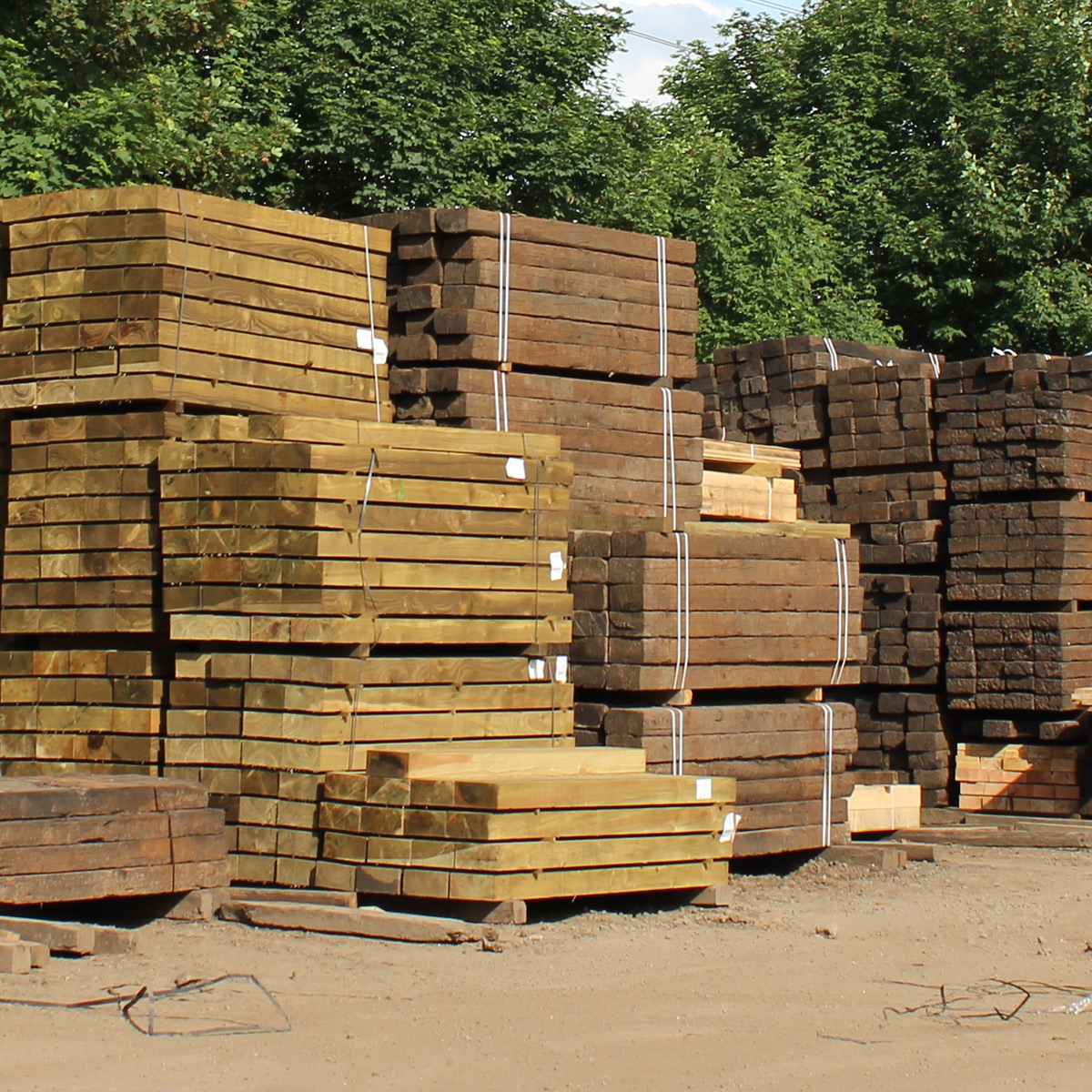
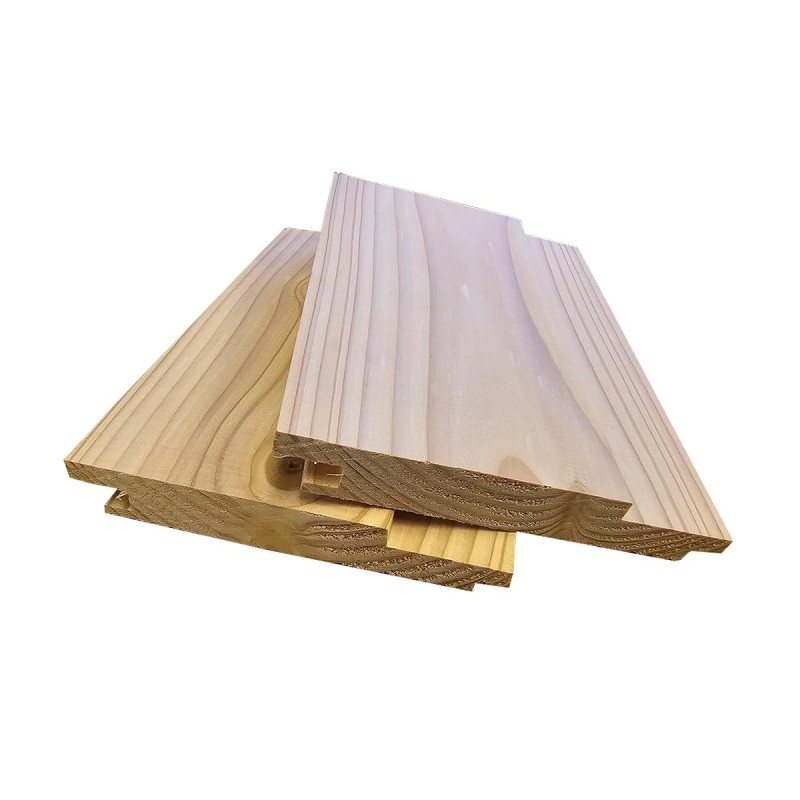
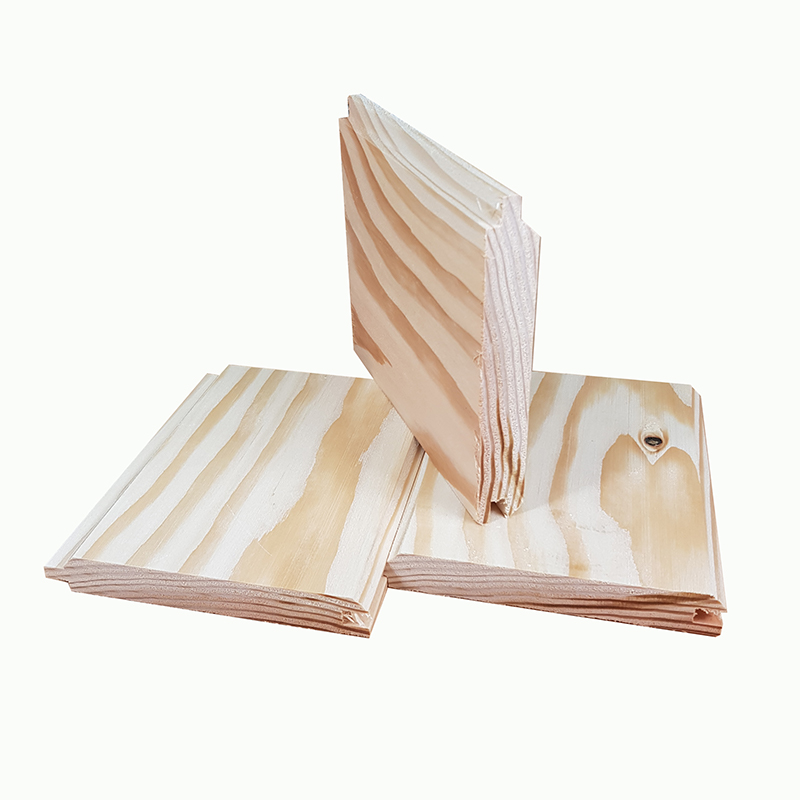
Such domestic softwoods as larch and Douglas fir have great natural durability. They can perform well outdoors without any kind of treatment. However, using softer timber in the same conditions will give you very different results regardless of its price. And its no surprise that timber cladding is one of the best examples to mention here. If you choose right species, the results will be beautiful for many decades, while using wrong kind will reveal its imperfections in just a couple of seasons especially if it is installed at exposed elevation.
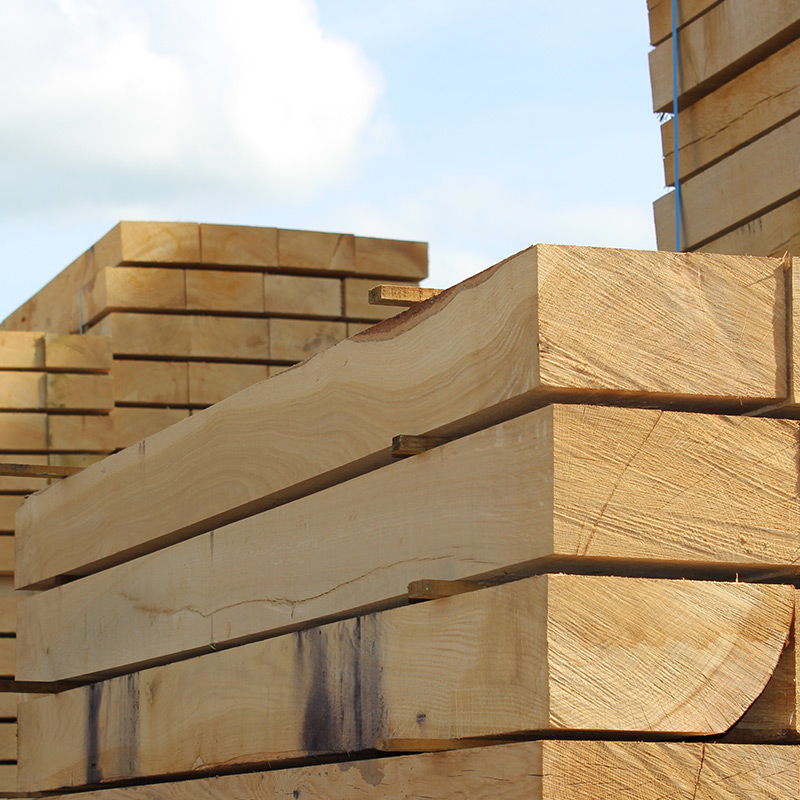
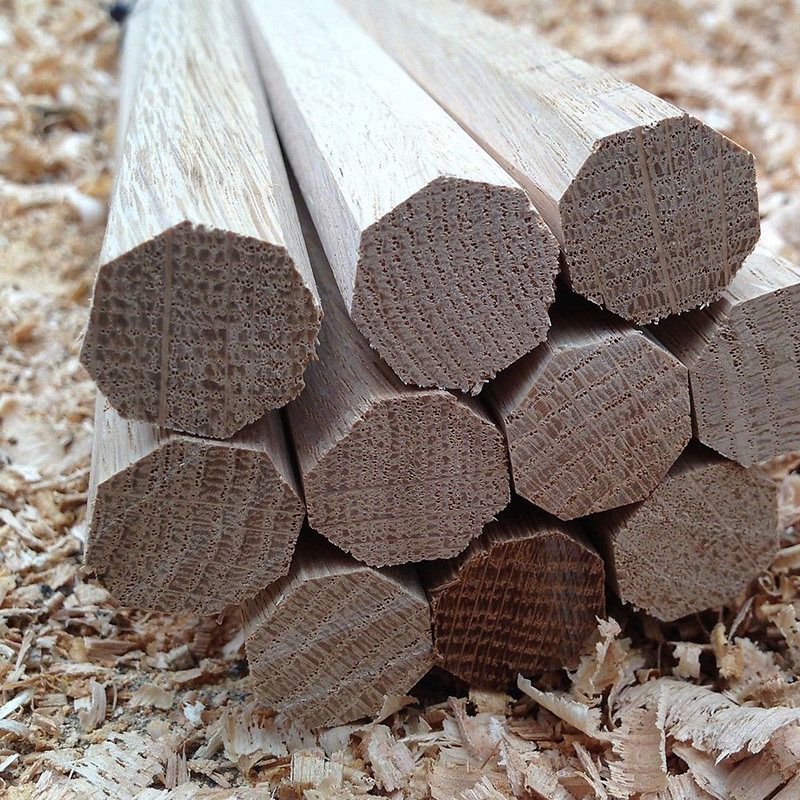
When it comes to hardwoods, it is equally important to consider source and grading. Even oak from different sources can vary a lot in density, appearance and performance in long term perspective. Low price of oak needs additional consideration.
How does the treatment affect the price
Pressure treatment increases lifetime of timber that would not cope with ground contact or persistent exposure to moisture. This is a useful treatment when it is used correctly. However, pressure treatment is not a substitution for high quality of timber material itself.
Cheap soft wood timber treated with preservative will outperform untreated cheap timber, but it will not change its shortcomings. Such treatment protects timber from environmental decay, but it will not fix other problems like instability, splitting or inconsistency in density.
Sometimes it is useful to pay attention to the treatment type if the timber is going to be used in the proximity to children or edible plants. Not all preservatives are safe in such case.
How timber procurement should look like
Suppliers who deal with large volumes, buys timber directly from source and has been doing this business long enough to protect his reputation will probably sell you better timber compared to someone who competes on price only. It is also good to consider lead times, because fast delivery without any stocks kept by the supplier may be an indicator of poor quality.
It is recommended to ask about species, moisture content, source and grading before making decision. A supplier who has nothing to hide will answer on these questions without hesitation.
Timber is usually the smallest part of total costs of any project taking into account labour, fixings and groundwork. Saving some pounds per unit of material and then watching it failing is not a good trade-off. So choose wisely! As this will be the difference in buying something that lasts for years, compared to buying something that does last but the quality wears off.
or send us an email at
sales@uksleepers.co.uk.


